


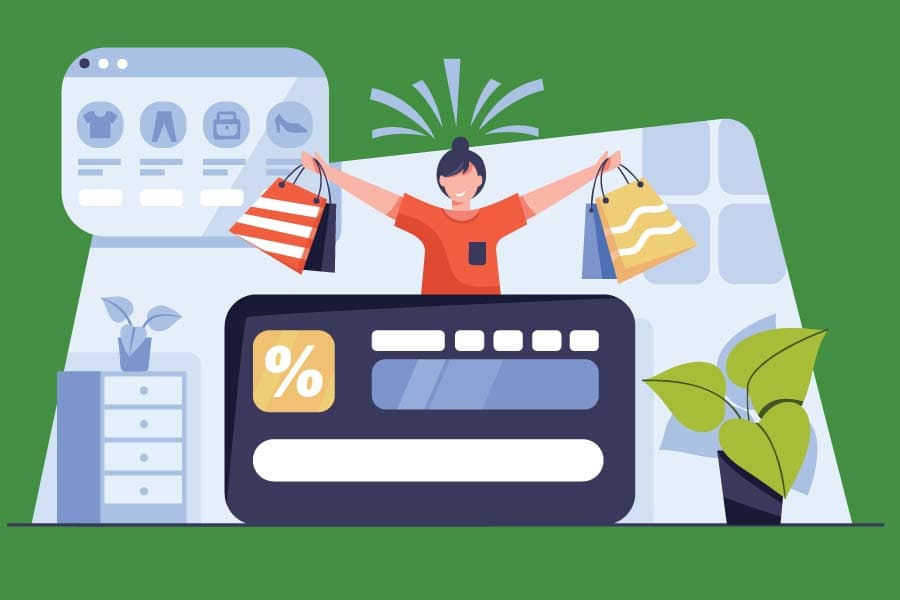

Many businesses assume that launching an online store is the hard part. They invest time choosing a platform, uploading products, setting up payments, and getting everything live. From a technical perspective, that part is relatively straightforward today.
The real challenge begins after the launch.
Because having an online store and having a store that actually generates sales are two very different things. A large number of eCommerce websites look functional, even professional, but struggle to convert visitors into customers. Traffic comes in, but sales remain inconsistent or low.
At Mallorca Graphics, we often see that the issue is not the platform itself. Whether it’s WooCommerce or Shopify, both can work very well. The difference lies in how the store is structured, how products are presented, and how the overall experience guides users toward a purchase.
Start With the Buying Journey, Not the Design
One of the most common mistakes in eCommerce is focusing too much on how the store looks and not enough on how it works from a user perspective.
An online store should be built around a simple question: how does a visitor become a customer?
That journey needs to feel natural. From landing on the site, to browsing products, to making a decision, every step should be clear and friction-free. When this journey is not defined properly, users hesitate, get confused, or simply leave.
A well-structured store makes it easy for users to:
- find what they are looking for
- understand the value of the product
- complete the purchase without obstacles
When these elements are aligned, conversions improve significantly.
Product Pages Are Where Sales Are Won or Lost
In most cases, the product page is the decisive moment.
This is where the customer evaluates the product, compares it mentally with alternatives, and decides whether to move forward. If the page lacks clarity, trust, or detail, the sale is lost.
Strong product pages combine several elements seamlessly. Clear product images, persuasive descriptions, and structured information all work together to remove doubt.
What matters most is not just listing features, but explaining value. Why is this product worth buying? How does it solve a problem or improve the customer’s situation?
The difference between average and high-performing stores is often found right here — in how well the product is presented.
Trust Is a Major Conversion Factor
Unlike a physical store, online customers cannot see or touch the product. This means trust plays a much larger role in the decision-making process.
If a website feels unprofessional, incomplete, or inconsistent, even a good product can struggle to sell. On the other hand, a well-structured and trustworthy site can significantly increase conversion rates.
Trust can be reinforced through:
- clean and consistent design
- clear contact information
- transparent policies
- testimonials or reviews
Even small improvements in perceived trust can have a noticeable impact on sales.
Speed and Simplicity in Checkout Matter More Than You Think
A surprising number of potential sales are lost during the checkout process.
Customers may have already decided to buy, but if the checkout feels complicated, slow, or confusing, they abandon the purchase. This is one of the most critical areas to optimise.
A strong checkout experience removes unnecessary steps and keeps everything clear. The fewer decisions a user has to make at this stage, the better.
From experience, improving checkout flow is often one of the fastest ways to increase revenue without increasing traffic.
Traffic Without Conversion Is Wasted Potential
Many businesses focus heavily on driving traffic through ads or SEO, but overlook the importance of conversion.
If your store attracts visitors but does not convert them into customers, you are effectively losing value at every step.
This is why conversion optimisation should always be part of your strategy. It ensures that the traffic you generate actually contributes to your business.
This connects closely with 👉 Why Most Websites in Mallorca Fail (And How to Fix It in 2026), where conversion is often a missing element.
A High-Performing Store Is Built, Not Just Launched
An online store is not a one-time project. It evolves over time.
The most successful eCommerce businesses continuously refine their product pages, improve their structure, test different approaches, and adapt based on real user behaviour.
This ongoing improvement is what turns a basic store into a high-performing sales channel.
An online store should do more than display products — it should drive consistent sales.
At Mallorca Graphics, we build eCommerce websites designed to convert, scale, and support real business growth.
👉 Get in touch today and let’s build a store that actually performs.



0 Comments